
How to Choose a Mechanic You Can Trust: A 10-Point Checklist
A good mechanic saves you money for years; a bad one costs you money in ways you never see. This 10-point checklist separates the shops that earn trust from the ones that just expect it.
Why This Choice Matters More Than Any Single Repair
Most advice about car repair focuses on the transaction — how to handle one quote, one bill, one problem. But the bigger lever is the relationship: a trustworthy shop tells you what can wait, catches small problems while they're small, and charges fairly because they want you back next year. An untrustworthy one doesn't need to do anything dramatic to cost you — a padded hour here, an unnecessary flush there, and it quietly adds up for as long as you keep returning.
The good news is that trustworthy shops leave evidence. Here are ten checks — none of which require you to know anything about cars — that reliably separate the two.
Checks 1–3: Credentials and Paper
1. Licensed technicians. In Ontario, automotive service technicians must be certified (the 310S licence) or registered apprentices working under one. Established shops are happy to confirm this — many post licences on the wall. It's a floor, not a ceiling, but a shop that's evasive about it is telling you something.
2. Written estimates, always. Ontario consumer-protection law gives you the right to a written estimate before work begins, and generally holds shops close to that number once given. A trustworthy shop offers paper before you ask. A shop that resists putting numbers in writing — 'we'll sort it out after' — is your cue to leave.
3. Warranty in plain terms. Good shops back both parts and labour for a stated period, in writing, on the invoice. Ask before booking: how long, what's covered, and what happens if the repair fails. Vague answers about warranty are a preview of vague answers when something goes wrong.
Checks 4–6: How They Communicate
4. They explain in plain language. A good advisor can tell you what's wrong, why it matters, and what happens if you wait — without jargon and without theatre. Mystified customers approve more work; shops that want informed customers are shops with nothing to hide.
5. They distinguish 'now' from 'later.' Every car past a certain age has a list. Trustworthy shops triage it: this is a safety issue, this can wait until fall, this is cosmetic. A shop where everything is urgent — where every visit produces a fresh emergency — is selling fear, not maintenance.
6. They welcome questions and second opinions. Ask to see the worn part, or say you'd like to think a big repair over. A confident shop takes both in stride, because scrutiny works in their favour. Defensiveness, pressure tactics, or 'this price is only good today' are classic signs the quote can't survive daylight.
Checks 7–8: The Evidence Other Drivers Left
7. Read reviews for patterns, not scores. A handful of angry reviews means little — every busy shop collects some. What matters is the pattern across many reviews: do people repeatedly mention honest advice, fair billing, and work done right the first time? Or do the same complaints recur — surprise charges, repairs that didn't hold, upselling? Recent reviews matter more than old ones; shops change hands and change character.
8. Longevity and word of mouth. Shops survive decades in the same neighbourhood by being recommended. If a shop has been at the same corner for twenty years, that's thousands of repeat decisions by local drivers. Ask neighbours, coworkers, or your building's group chat — a specific personal recommendation ('ask for the owner, he'll show you the part') still beats any star rating.
Checks 9–10: The Shop Itself, and the Bill
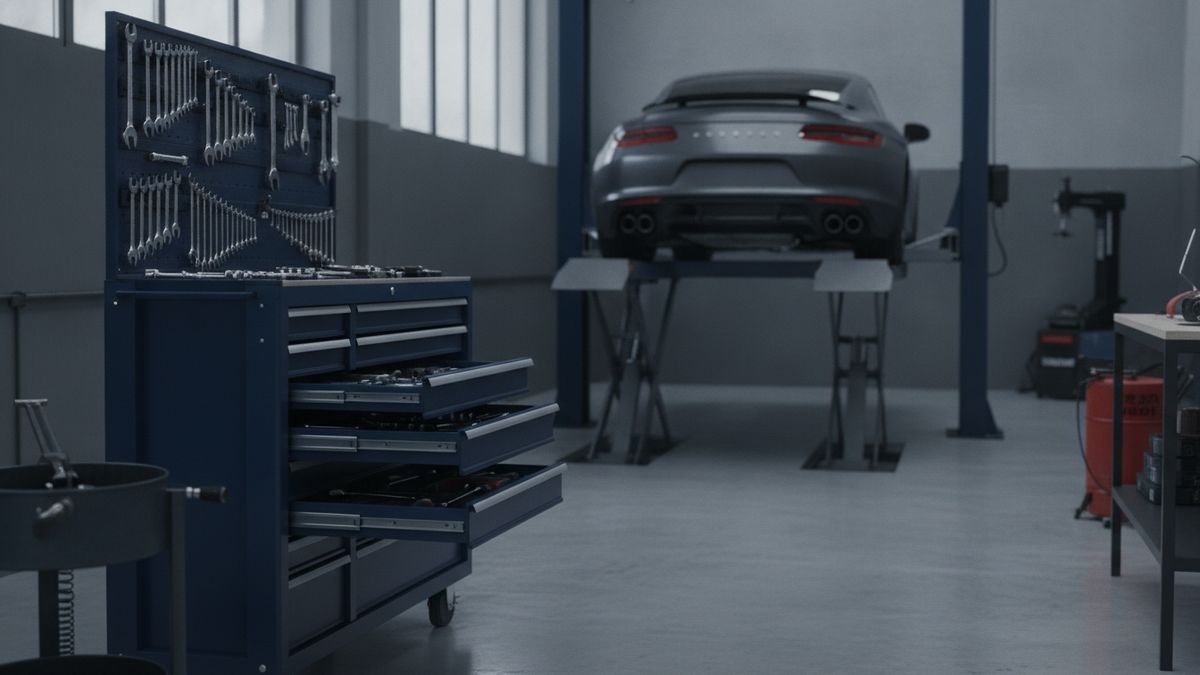
9. Look at the shop with your own eyes. You don't need to judge the tools — judge the habits. Reasonable organization, cars that look like they're moving through rather than piling up, and staff who acknowledge you count for more than fancy waiting rooms. Chaos in the front of house is usually matched behind the wall.
10. Itemized invoices, every time. The final bill should break out each part, each labour charge, and any fees — matching the estimate you approved. A trustworthy shop's invoice is boring: it says what happened, and it matches what was promised. Keep them; a folder of clean invoices is also gold when you sell the car.
One more meta-check that wraps up all ten: how does the shop behave when it makes a mistake? Everyone eventually does. The shops worth keeping own it, fix it under warranty without a fight, and don't make you litigate. You often learn this from reviews before you ever learn it firsthand.
Finding Candidates Without Driving All Over Town
The checklist tells you how to evaluate a shop — but you still need candidates to evaluate. The old way is asking around and cold-calling. The faster way is to let the shops come to you: post your repair on Carpals once, and nearby GTA shops respond with competing quotes alongside their ratings and reviews. You get an instant shortlist of shops that actually want the work, and you can run the ten checks above on the two or three whose quotes look right — messaging them your questions directly in the app before you book. Free for customers, no booking fees, and you pay the shop directly.
However you find them, remember that the first visit is an audition. Start with something small — an oil change, a seasonal tire swap, a minor fix — and watch how they handle the ten points. A shop that treats a $60 job with care has told you everything you need to know about how it'll treat a $2,000 one.
Frequently asked questions
What certification should a mechanic have in Ontario?
Automotive service technicians in Ontario must hold a 310S licence or be registered apprentices working under a licensed technician. Established shops confirm this readily and often post licences in the office. It's a baseline to verify, not a guarantee of honesty on its own.
What are the biggest red flags at an auto shop?
Refusing to put estimates in writing, pressure tactics like 'this price is only good today,' every visit producing a new emergency, defensiveness when you ask to see the worn part or want a second opinion, and recurring complaints about surprise charges in their reviews. Any one of these is a reason to walk.
Should I test a new shop with a small job first?
Yes — it's the cheapest audition you'll ever run. An oil change or tire swap shows you their communication, their invoicing habits, and whether they invent extra work. A shop that handles a small job with care and clean paperwork is far more likely to handle a major repair the same way.
How do I check if a mechanic's price is fair?
Get more than one itemized quote for the same job — parts, labour hours, and fees broken out. The spread between shops for identical work can be significant, and comparing is the only reliable way to spot an outlier. Posting the job once on a marketplace like Carpals gets you several GTA quotes to compare without phoning around.
Are online reviews reliable for choosing a mechanic?
In aggregate, yes — read for patterns rather than the overall score. Repeated specific praise (honest advice, fair billing, work done right the first time) is meaningful; so are repeated specific complaints. Weight recent reviews more heavily, since shops change ownership and quality over time.
Stop calling around — post your job and let shops compete
Describe your car problem once and nearby shops send you competing quotes. Free for customers — no booking fees, and you pay the shop directly.