
Classic Car Maintenance: An Owner's Introduction
Classic cars don't fail like modern cars — they fail from sitting, from dried rubber, and from decades-old wiring. A first-time owner's guide to keeping an old car genuinely roadworthy.
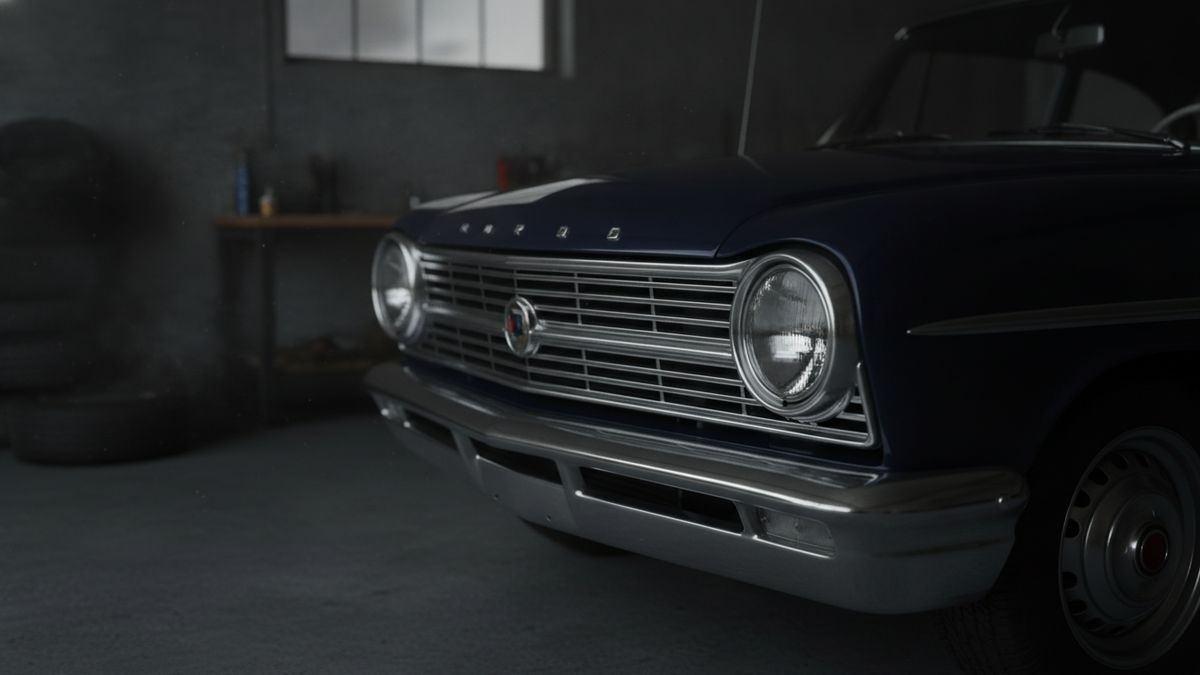
Old Cars Fail Differently
A modern car mostly fails from use — kilometres wear things out. A classic mostly fails from time and sitting: rubber dries and cracks, fuel goes stale, moisture condenses inside a parked engine, and forty-year-old wiring corrodes at every connection. That inversion changes what maintenance means. The odometer matters less than the calendar, and the most dangerous thing many classics do all year is sit still.
This guide is for the new owner — the person who just brought home a '60s or '70s car (or a well-loved '80s one) and wants to know where the real risks are. None of it requires you to be a mechanic. It requires you to think in terms of age, not mileage.
Rubber and Fluids: The Perishables
Everything rubber on an old car is a consumable that expires whether or not you drive: radiator and heater hoses, fuel lines, brake hoses, belts, engine and transmission mounts, weatherstripping, and every seal and gasket. A hose that looks fine can be brittle inside — squeeze test them cold, look for cracking at the clamps, and treat any fuel or brake line of unknown age as due for replacement. A failed $20 hose can cook an irreplaceable engine on the shoulder of the 401.
Fluids age in place too:
- Brake fluid absorbs moisture over time, corroding wheel cylinders and lines from the inside — flush on a schedule regardless of use.
- Coolant loses its corrosion inhibitors with age, which matters enormously in engines with decades-old cores and passages.
- Engine oil in a car that only does short, occasional drives collects condensation and acids; classics generally deserve oil changes by the calendar, not the odometer. Note that older engines with flat-tappet camshafts often need oil with adequate ZDDP anti-wear additive — worth confirming for your specific engine, since many modern oils have reduced it.
A note on fuel: many classic fuel systems — rubber lines, cork gaskets, carburetor components — predate modern ethanol-blended gasoline, and ethanol can degrade those materials and attract moisture in a tank that sits. Many owners prefer premium fuels with lower or no ethanol content where available, add a fuel stabilizer before any long park, and keep the tank reasonably full to limit condensation. Ask other owners of your specific model what works — club knowledge is gold here.
Tires Age Out Long Before They Wear Out
This is the classic-car safety item most new owners miss. A collector car might cover a thousand gentle kilometres a year, so its tires still show excellent tread at fifteen years old — while the rubber itself has hardened, cracked, and lost the grip and integrity it was built with. Old tires can fail suddenly at speed regardless of how much tread remains.
Check the DOT date code on the sidewall (the last four digits give the week and year of manufacture). The common guidance is that tires are due for close inspection as they pass several years old and due for replacement somewhere around the ten-year mark at the outside, whatever the tread says — sooner if you see sidewall cracking or the car sat outdoors. For a car you trust your family in at highway speed, fresh rubber is among the cheapest insurance a classic can get.
Storage: Where Classics Are Won and Lost
Most Canadian classics sleep through the winter, and how they sleep determines what spring looks like. The essentials of a good long park:
- Dry, ventilated storage — a damp garage with a dirt floor breeds rust from below; a vapour barrier or ventilation helps more than a heater.
- Battery on a maintainer — a trickle charger/maintainer keeps the battery alive and avoids the spring jump-start ritual.
- Fuel stabilized and tank full — stale fuel gums carburetors, and a full tank leaves less room for condensation.
- Fresh oil before storage, not after — parking the engine with clean oil means it sits in oil without a season's acids.
- Tires protected — inflate to the high end of spec, or use cushions/move the car occasionally to avoid flat-spotting.
- Deter the mice — steel wool in the exhaust tip, no food nearby, traps checked; rodent damage to old wiring looms is heartbreak measured in hundreds of hours.
And through the driving season, the single best maintenance is regular use: a proper monthly drive that gets everything fully warm circulates fluids, keeps seals wet, charges the battery, and shakes out problems while they're small — a twenty-minute errand does more good than a summer of idling in the driveway.
Old Electrics: Gentle, Simple, Corroded
Classic electrical systems are refreshingly simple — no computers, just wires, switches, and grounds — but every one of those connections has had decades to corrode. The overwhelming majority of old-car electrical gremlins (dim lights, intermittent gauges, slow wipers, mystery no-starts) trace to bad grounds and dirty connections rather than failed components.
The new owner's electrical toolkit is modest: learn where your car's main ground straps are and keep them clean and tight, carry a cheap multimeter, and clean connections before replacing parts. Two upgrades earn their keep on almost any classic: a discreet battery cut-off switch (protection against slow drains and electrical fires while parked) and, if originality allows, relays for headlights that take load off half-century-old switches. If a car shows crumbling insulation or amateur wiring repairs, budget for a proper harness assessment — that's one to hand to a professional.
Finding the Right Hands for the Work
Not every shop wants to see a carburetor, set points-style ignition timing, or adjust drum brakes — and there's no shame in that; the skills have simply become specialized. What you want is either a shop that explicitly works on vintage vehicles or an older-school independent where someone genuinely knows pre-electronic cars. Ask directly: 'who here has worked on cars of this era?' The right shop answers with enthusiasm.
Owner communities are the other half of the support system. Marque clubs, forums, and local cruise-night regulars know which GTA-area shops actually understand your car, which parts suppliers are reliable, and every model-specific quirk you'll ever hit. Classic ownership runs on shared knowledge — plug into it early, keep a log of everything you do to the car, and the car will outlast us all.
Frequently asked questions
How often should I drive a classic car?
Ideally a proper drive every few weeks in season — long enough to get the engine, transmission, and brakes fully warm. Regular use circulates fluids, keeps seals from drying, charges the battery, and reveals small problems early. Sitting, not driving, is what damages most classics.
When should classic car tires be replaced?
By age, not tread. Check the DOT date code on the sidewall; tires deserve close inspection as they pass several years old and replacement around the ten-year mark at the outside, regardless of tread depth. Hardened, cracked rubber can fail suddenly at speed even when it looks nearly new.
Is ethanol fuel bad for classic cars?
It can be. Ethanol blends can degrade older rubber fuel lines, cork gaskets, and carburetor components, and ethanol attracts moisture in tanks that sit. Many owners use lower-ethanol premium where available, add fuel stabilizer for storage, and replace aging fuel-system rubber with modern ethanol-resistant materials.
How should I store a classic car for a Canadian winter?
Dry, ventilated storage; battery on a maintainer; fuel stabilized with the tank full; fresh oil before the car parks; tires inflated to the high end of spec or the car moved occasionally; and serious rodent prevention. How a classic sleeps through winter largely decides what spring costs.
Can a regular mechanic work on a classic car?
Some can, many would rather not — carburetors, points ignition, and drum brakes are specialized knowledge now. Look for a shop that explicitly services vintage vehicles or an independent with technicians who know pre-electronic cars, and lean on marque clubs and owner forums for recommendations near you.