
Car Detailing vs. Car Wash: What's Actually Worth Paying For?
A wash costs a coffee and a detail costs a dinner out — so when is the expensive one actually worth it? A straight look at what each service does, and where the value really is for Ontario drivers.
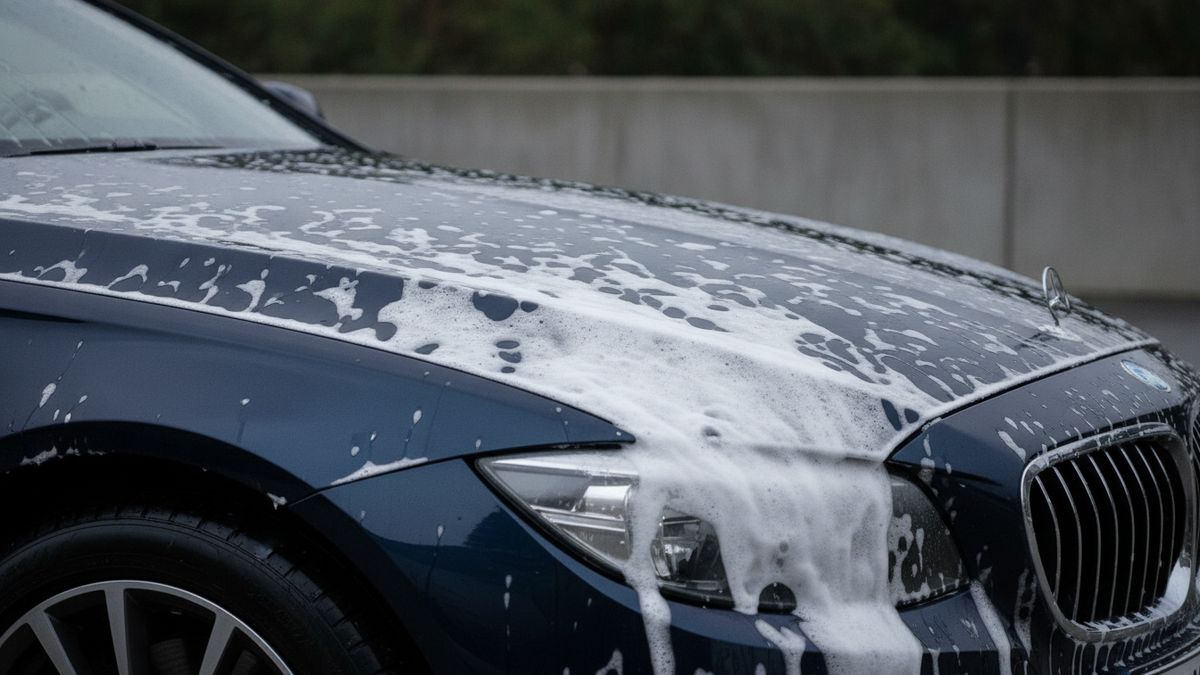
Two Different Jobs That Get Confused
A car wash and a detail aren't a cheap and expensive version of the same thing — they're different jobs with different goals. A wash removes loose dirt and grime from the surfaces you can see. A detail is restorative: it works on embedded contamination, oxidized paint, stained upholstery, and neglected corners, aiming to bring the car as close to its best condition as its age allows.
Confusing the two leads to both kinds of wasted money: paying detail prices for what's essentially a thorough wash, or expecting a $15 wash to fix swirled paint and a musty interior. Knowing what each service actually includes is the whole game.
What a Wash Does (and What It Costs)
A basic drive-through or self-serve wash typically runs in the $10 to $30 CAD range and does one essential thing: gets abrasive dirt, bugs, bird droppings, and — critically in Ontario — road salt off your paint and undercarriage before they cause damage. Touchless washes are gentler on paint than spinning-brush tunnels, which can leave fine scratches over time; hand washes sit in between depending on technique.
In winter, the wash is not cosmetic. Salt spray accelerates rust on brake lines, fasteners, and body seams, and the cheapest rust prevention available to any GTA driver is regular winter washes that include the undercarriage, especially after thaws. If you do only one thing from this article, do that.
What a wash won't do: remove embedded rail dust or tar, fix swirl marks or faded paint, deep-clean carpets and seats, or make a five-year-old interior smell new. Those are detailing territory.
What a Detail Includes (and What It Costs)
Detailing packages vary, but a full detail commonly includes some mix of:
- Exterior: thorough hand wash, clay-bar treatment to pull embedded contamination out of the paint, machine polish to reduce swirls and restore gloss, and a protective wax or sealant.
- Interior: deep vacuum, shampoo or steam of carpets and upholstery, leather cleaning and conditioning, vents and crevices, and interior glass.
- Extras: engine bay cleaning, headlight restoration, odour treatment, or pet-hair removal, usually as add-ons.
Typical Canadian pricing lands roughly at $150 to $450+ CAD for a full interior-and-exterior detail depending on vehicle size and condition, with interior-only or exterior-only packages sitting well below that. Heavily neglected vehicles — years of grime, pet hair, smoke odour — cost more because they take hours longer. Paint correction (serious machine polishing to remove deeper defects) and ceramic coatings are their own tier above this, often quoted separately.
As always, these are ballpark ranges, not quotes — condition and vehicle size move the number more than anything else, so expect a detailer to look the car over (or at least see photos) before committing to a firm price.
When a Detail Is Genuinely Worth It
There are a few moments where detailing stops being a luxury and starts being a sound spend:
- Before selling or trading in. First impressions move private-sale negotiations, and a clean, cared-for car photographs better, shows better, and invites fewer lowball offers. A few hundred dollars of detailing is one of the few cosmetic spends that can plausibly pay for itself at sale time.
- After winter. A spring detail pulls a season of salt, grit, and grime out of carpets and seams before it does lasting damage — and you find out early what winter actually did to the car.
- Buying used. Detailing a newly bought used car resets it to a known-clean baseline (and a detailer will often spot issues — water leaks, hidden rust bubbles — that a test drive missed).
- Interior situations a wash can't touch: spilled milk, pet accidents, smoke odour, mould spots. Steam and extraction equipment exist precisely for these.
When is it *not* worth it? Paying full-detail prices on a well-kept daily driver every month. If you wash regularly and the interior gets a proper vacuum now and then, one or two details a year keeps most cars in excellent shape.
The Sensible Middle Ground
The best-value routine for most Ontario drivers is a layered one: frequent cheap washes, occasional deep work. Something like — regular washes through the year, undercarriage rinses through the salt months, a proper interior vacuum seasonally, and a full detail once a year (spring being the natural moment), plus one before any sale.
If you enjoy doing it yourself, a weekend, a two-bucket wash, a clay bar, and a decent vacuum get you a surprising fraction of a professional result for the cost of supplies. What the pros bring is machine polishing skill, extraction equipment, steamers, and hours of practice — which is exactly what you're paying for on the jobs where those matter.
Whichever route you take, the ranking of value is consistent: regular salt removal first, interior deep-cleans when life happens to your upholstery, full details at the moments they earn their keep — and paint correction only when you care about the finish enough to protect it afterwards.
Frequently asked questions
What's the difference between a car wash and detailing?
A wash removes loose surface dirt and salt — it's maintenance. A detail is restorative: clay-bar and polish for the paint, deep cleaning for carpets and upholstery, and protection like wax or sealant. A wash keeps damage away; a detail undoes accumulated wear and neglect.
How much does car detailing cost in Ontario?
A full interior-and-exterior detail typically runs roughly $150 to $450+ CAD depending on vehicle size and condition, with single-area packages costing less and heavily neglected vehicles costing more. Paint correction and ceramic coatings are usually quoted separately on top. Treat these as ballparks — condition drives the real price.
How often should I wash my car in winter?
Regularly through the salt months — many Ontario drivers aim for every week or two, and especially after thaws when salt brine is at its worst. Include the undercarriage whenever possible. Winter washing is rust prevention, not cosmetics, and it's the cheapest protection your car's brake lines and body seams can get.
Is detailing worth it before selling a car?
Usually yes — it's one of the few cosmetic spends with a plausible direct payback. A detailed car photographs better in listings, shows better in person, and signals an owner who cared for the vehicle, which supports your asking price and reduces lowball offers.
Do automatic car washes scratch paint?
Traditional spinning-brush tunnels can leave fine swirl marks over time, especially if the brushes carry grit from previous cars. Touchless washes avoid contact entirely but clean a little less aggressively. For a daily driver, either beats leaving salt on the car; for a finish you care about, hand washing is gentlest.